Directors
6 Talented but Overlooked Directors You Should Know
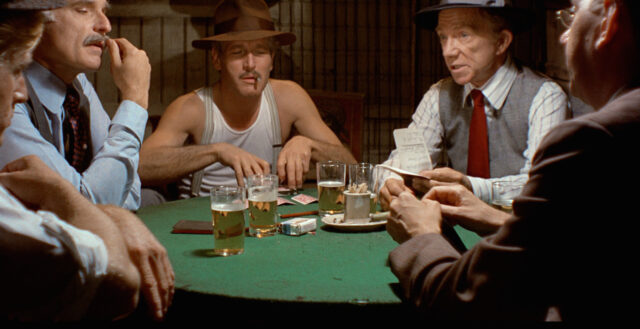
Everyone knows Welles, Huston, Kubrick, Spielberg, Scorsese and Nolan. But what about Leisen, Hill, Hiller, Boorman, Mann and Sayles?
For every “name” director, there are several others we feel deserve more recognition. They may have had successes—critical and/or financial—but for some reason they’ve tended to fly under the radar.
Here are six filmmakers whose legacies deserve our respect and appreciation. Even though their names may have faded from memory, their finest work lives on, as you’ll soon discover.
Themes
When Makeup Makes the Movie: 5 Transformations That Made History
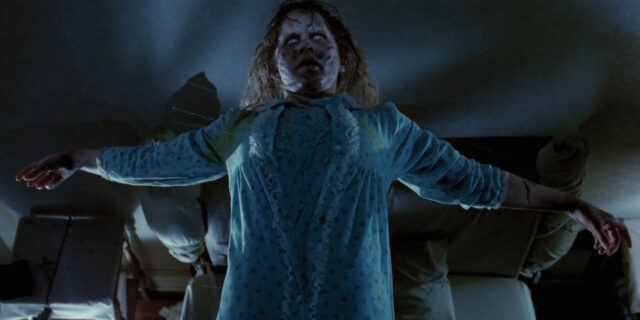
Does the name Dick Smith ring a bell? Probably not, I’d guess. So you’ll be surprised when I tell you that Mr. Smith, who passed away on July 30th at age 92, was actually responsible for some of the most memorable and astonishing moments in American film.
His area of expertise: the unsung art of movie makeup.
Smith — a Yale graduate who’d originally wanted to become a dentist — was a veteran of both TV and films. On the small screen, he worked on the campy sixties horror soap, “Dark Shadows,” and was Emmy-nominated four times, winning one for transforming a then-young Hal Holbrook into a considerably older Mark Twain in 1967’s “Mark Twain Tonight!”
Actors
Ultimate Role Models: 7 Transitions from Model to Actor
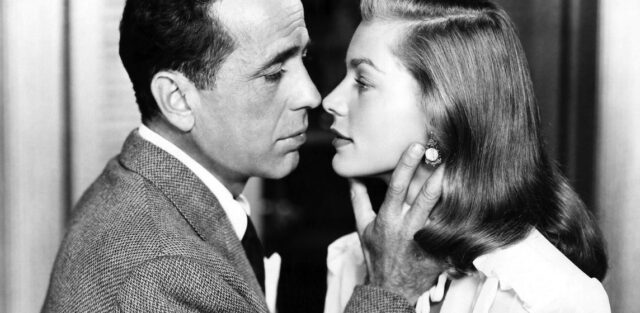
Keep all those “Zoolander” jokes to yourself, because being a model in a movie doesn’t necessarily mean a pretty face (or body) catwalking across the screen for mere amusement or titillation, or because the director needed a hot date for the Screen Actors Guild awards. Underneath the high cheekbones and sculpted abs often lie the makings of a great actor. Here are some of the folks who made astonishingly smooth moves from still photography to motion pictures.
Actors
The Rise, Fall, And Resurrection of Ingrid Bergman
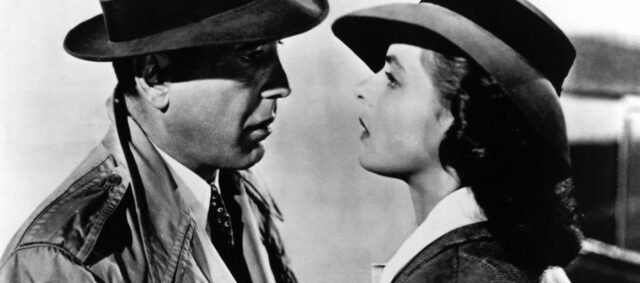
Humphrey Bogart was once asked if he had any difficulty putting aside his tough image to play a romantic leading man in “Casablanca” (1942). He said it was easy. “It helps,” Bogie said, “if you’re looking into the eyes of Ingrid Bergman.”
Actors
Robert Mitchum: Cooler Than Cool
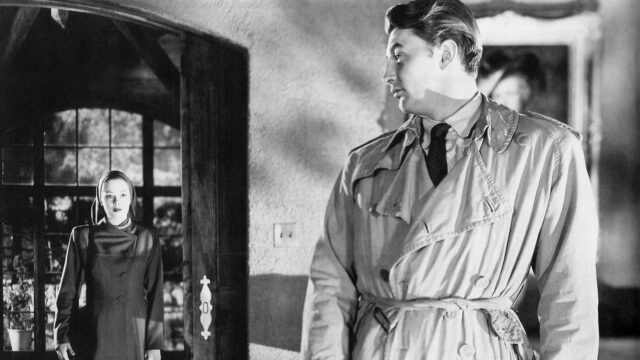
An actor doesn’t need to be arrested on marijuana charges to become a star, but it sure didn't hurt Robert Mitchum. Of course, by the time of his 1948 pot bust, Mitchum had already received an Oscar nod for Best Supporting Actor for his role in "The Story of GI Joe" (1945), and in 1947 he'd appeared in two noir classics, "Out of the Past" and "Crossfire." But after a week in the county jail and 43 days at a Castaic, California prison farm turned Mitchum into a certified Hollywood bad boy. He fit the part well.
It was Mitchum's casual reaction to the arrest that endeared him to the public. He treated the incident as a lark, amusing the press with jokes about prison life. “It's like Palm Springs,” he said. “But without the riffraff.”
It's no surprise that Mitchum breezed through a short jail sentence, since tough times were nothing new to him. After spending part of his childhood in New York’s Hell’s Kitchen, he dropped out of school to ride the rails with his brother. As he crossed the country at the height of the Depression, Mitchum earned money with odd jobs like digging ditches — even boxing. This rough and tumble kid even did some time on a chain gang in Savannah, Georgia after being popped for vagrancy at age 14.

Western
How Spaghetti Westerns First Got Cooked Up
Younger film fans may find it hard to believe, but Clint Eastwood wasn’t always a badass. Prior to his iconic performance in “A Fistful of Dollars” (1964), Eastwood was best known to American audiences as Rowdy Yates, a kind-hearted supporting character on the popular “Rawhide” TV show. In fact, it was the opportunity to leave Rowdy’s friendly persona behind that most intrigued Eastwood about going to Spain to work for director Sergio Leone. “I decided,” Eastwood said, “it was time to be an anti-hero.”

Directors
Hitchcock: The Story Behind the Scariest Man in Hollywood
On the 115th anniversary of his birth, I can safely claim that Alfred Hitchcock's name and work endure like no other director of Hollywood’s Golden Age. Today, many moviegoers in their teens and twenties may look blankly at you if you mention legendary helmers like John Ford, George Cukor, or Billy Wilder. Yet more than likely, they’ll know the name Hitchcock, and will have seen at least one of his pictures."Vertigo" (1958) the greatest movie of all time, toppling "Citizen Kane" (1941) from the number one spot. Not only do Hitchcock's movies stay evergreen, they seem to get better with age. (Much as I admire "Vertigo," my favorite Hitchcock outing is 1946's "Notorious" starring Ingrid Bergman and Cary Grant, the director's favorite leading man. See it if you haven’t.)
Actors
Cinema’s Gentle Giant: The Legacy of Richard Attenborough
Lord Richard Attenborough, the architect of a monumental screen career that began in 1942, passed away Sunday at the age of 90. Had he only been known as an actor, we'd be marveling at the way he played everything from serial killers to Kris Kringle. But he also enjoyed a successful career as a director, culminating in 1982 when he picked up Best Director and Best Picture Oscars for "Gandhi."
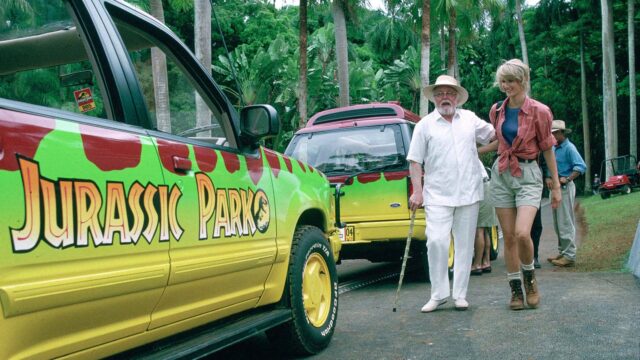
His passion for history led to his directing biopics of such diverse characters as Charlie Chaplin, Winston Churchill, and Apartheid activist Steve Biko. But Attenborough was hardly a drab old historian; he also lent his distinctive flair to comedies, thrillers, and war dramas. He even helmed the romantic tearjerker "Shadowlands" (1993), which happened to hit screens the same year as "Jurassic Park," the blockbuster film that introduced Attenborough to a new generation of moviegoers.
Attenborough's role as the kindly theme park owner in Steven Spielberg's blockbuster was a rarity for him. He wasn’t acting anymore at that stage, preferring to work behind the camera, but the mutual admiration between Spielberg and Attenborough brought them together for this colorful story of dinosaur cloning. Spielberg's hunch that Attenborough would be "the perfect ring master" was spot-on. How could anyone not love this bearded little man with the bright eyes, who smiled so warmly at the sight of a dinosaur egg hatching?
History
How JFK’S Assassination Changed the Fate of “Dr. Strangelove”
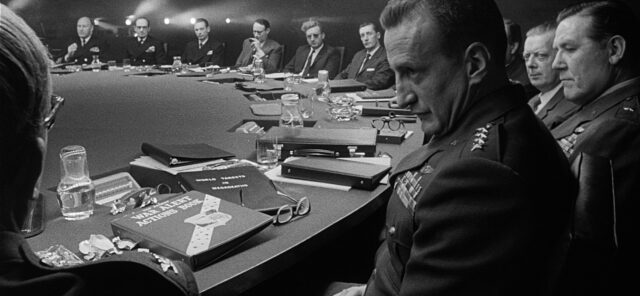
Having filmed his Cold War satire, “Dr. Strangelove or: How I Learned to Stop Worrying and Love the Bomb” during the spring and summer of 1963, director Stanley Kubrick was finally ready to unveil his new film at an advance press screening. The date was set for late November — the 22nd to be exact.
But only hours before journalists were expected to arrive at the Loew’s Orpheum Theatre in Manhattan, news came from Dallas that President Kennedy had been shot. Obviously, the show couldn’t go on and a shocked Kubrick immediately canceled.
This invitation that recently surfaced on Reddit is a chilling reminder of that day. The writing scrawled across the ticket, "NEVER HELD...THE DAY KENNEDY WAS SHOT," is allegedly in Kubrick’s own hand.