Actors
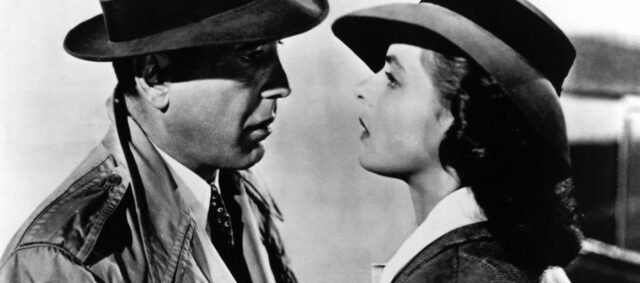
The Rise, Fall, And Resurrection of Ingrid Bergman
Humphrey Bogart was once asked if he had any difficulty putting aside his tough image to play a romantic leading man in “Casablanca” (1942). He said it was easy. “It helps,” Bogie said, “if you’re looking into the eyes of Ingrid Bergman.”
Actors
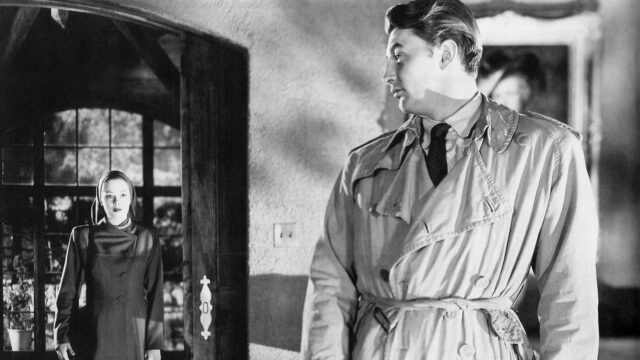
Robert Mitchum: Cooler Than Cool
An actor doesn’t need to be arrested on marijuana charges to become a star, but it sure didn't hurt Robert Mitchum. Of course, by the time of his 1948 pot bust, Mitchum had already received an Oscar nod for Best Supporting Actor for his role in "The Story of GI Joe" (1945), and in 1947 he'd appeared in two noir classics, "Out of the Past" and "Crossfire." But after a week in the county jail and 43 days at a Castaic, California prison farm turned Mitchum into a certified Hollywood bad boy. He fit the part well.
It was Mitchum's casual reaction to the arrest that endeared him to the public. He treated the incident as a lark, amusing the press with jokes about prison life. “It's like Palm Springs,” he said. “But without the riffraff.”
It's no surprise that Mitchum breezed through a short jail sentence, since tough times were nothing new to him. After spending part of his childhood in New York’s Hell’s Kitchen, he dropped out of school to ride the rails with his brother. As he crossed the country at the height of the Depression, Mitchum earned money with odd jobs like digging ditches — even boxing. This rough and tumble kid even did some time on a chain gang in Savannah, Georgia after being popped for vagrancy at age 14.
Actors
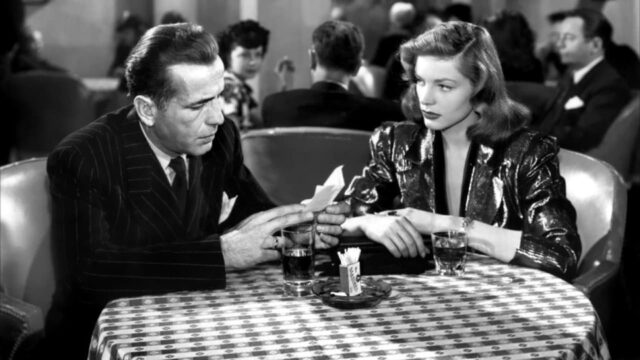
Lauren Bacall’s 9 Best Performances
Lauren Bacall will be remembered as a larger than life Hollywood figure, but film lovers might be surprised to learn that she appeared in less than 50 features. In a business where one dreads being forgotten, Bacall took her time when it came to taking roles, confident that the public would still be there when she returned.
During her heyday, Bacall rarely worked more than once a year. Later, she was known to take long breaks in between projects, something few actresses did in those days. The result is a filmography that is more tastefully cultivated than most, with very few bombs or stinkers. Even a movie like “The Fan” (1981), a gaudy thriller which some felt was beneath her, has endured as a kind of cult object. When that one wrapped, Bacall did another of her disappearing acts, this time for seven years.
Of course, the dismantling of the old studio system may have had something to do with her dwindling appearances; she always preferred that more orderly way of making pictures.
Actors
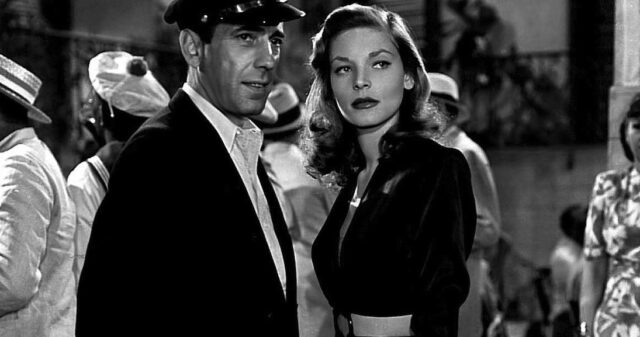
Lauren Bacall, 1924 – 2014: The Sultriest Voice in Cinema
Lauren Bacall, one of the most alluring leading ladies ever to come out of Hollywood, passed away Tuesday at the age of 89. Though she was best known for playing opposite husband Humphrey Bogart in such classics as “The Big Sleep” (1946) and “Key Largo” (1948), her film career sustained itself long after Bogart was gone. “Written on The Wind” (1956), “Harper” (1966), “Murder on the Orient Express” (1974), and dozens of other films benefited from her uniquely feline presence and husky voice. She was class, sass, humor, and chutzpah all rolled up into one glamorous package.
Bacall, a New Yorker born Betty Joan Perske on September 16, 1924, was only nineteen when she made her screen debut opposite Bogie in “To Have and Have Not.” Despite her youth, she held her own opposite an established star more than twice her age. Still, during her first few days on-set, she was so nervous she prayed the camera wouldn't pick up her hands shaking. It didn't.
And of course, she created that film’s most indelible moment when she purred to Bogart, “You know how to whistle, don't you, Steve? You just put your lips together and... blow.” Audiences indeed were blown away. So was Bogie; he and Bacall were married within a year. Their relationship was one of the more storied romances in Hollywood, lasting until Bogart’s death from cancer in 1957.

Directors
Hitchcock: The Story Behind the Scariest Man in Hollywood
On the 115th anniversary of his birth, I can safely claim that Alfred Hitchcock's name and work endure like no other director of Hollywood’s Golden Age. Today, many moviegoers in their teens and twenties may look blankly at you if you mention legendary helmers like John Ford, George Cukor, or Billy Wilder. Yet more than likely, they’ll know the name Hitchcock, and will have seen at least one of his pictures."Vertigo" (1958) the greatest movie of all time, toppling "Citizen Kane" (1941) from the number one spot. Not only do Hitchcock's movies stay evergreen, they seem to get better with age. (Much as I admire "Vertigo," my favorite Hitchcock outing is 1946's "Notorious" starring Ingrid Bergman and Cary Grant, the director's favorite leading man. See it if you haven’t.)
Actors
Cinema’s Gentle Giant: The Legacy of Richard Attenborough
Lord Richard Attenborough, the architect of a monumental screen career that began in 1942, passed away Sunday at the age of 90. Had he only been known as an actor, we'd be marveling at the way he played everything from serial killers to Kris Kringle. But he also enjoyed a successful career as a director, culminating in 1982 when he picked up Best Director and Best Picture Oscars for "Gandhi."
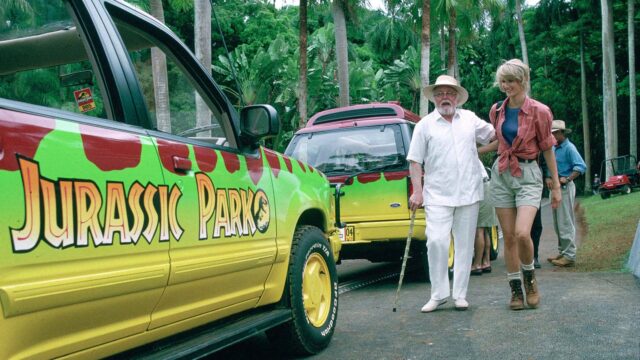
His passion for history led to his directing biopics of such diverse characters as Charlie Chaplin, Winston Churchill, and Apartheid activist Steve Biko. But Attenborough was hardly a drab old historian; he also lent his distinctive flair to comedies, thrillers, and war dramas. He even helmed the romantic tearjerker "Shadowlands" (1993), which happened to hit screens the same year as "Jurassic Park," the blockbuster film that introduced Attenborough to a new generation of moviegoers.
Attenborough's role as the kindly theme park owner in Steven Spielberg's blockbuster was a rarity for him. He wasn’t acting anymore at that stage, preferring to work behind the camera, but the mutual admiration between Spielberg and Attenborough brought them together for this colorful story of dinosaur cloning. Spielberg's hunch that Attenborough would be "the perfect ring master" was spot-on. How could anyone not love this bearded little man with the bright eyes, who smiled so warmly at the sight of a dinosaur egg hatching?
Actors
The Under-Appreciation of Donald Sutherland
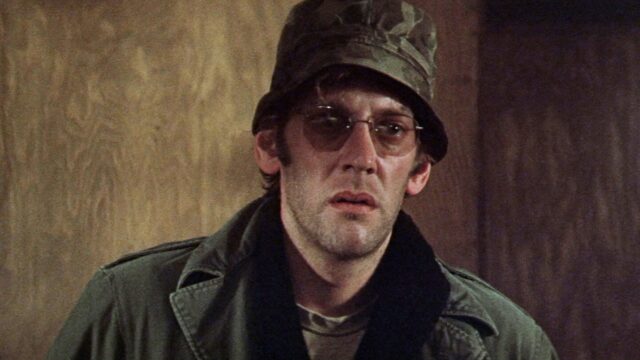
Donald Sutherland has landed a pretty nice gig in the "Hunger Games" franchise. As the ruthless President Snow, with his lion's mane of white hair and fluffy beard, he's the sort of iconic villain that fans of the series love to hate.
Actors
Thanks For All the Hanks
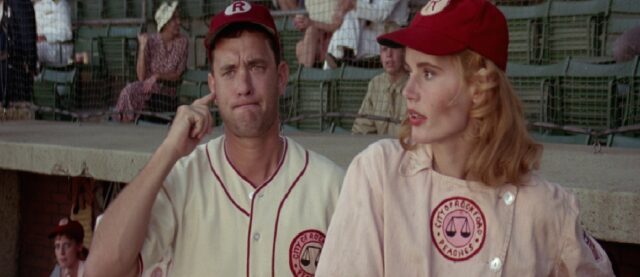
The movies' much beloved Everyman, Tom Hanks, turns 59 today, and he seems to be mellowing beautifully.
Actors
How Fine Cabinetry Brought Harrison Ford Fame
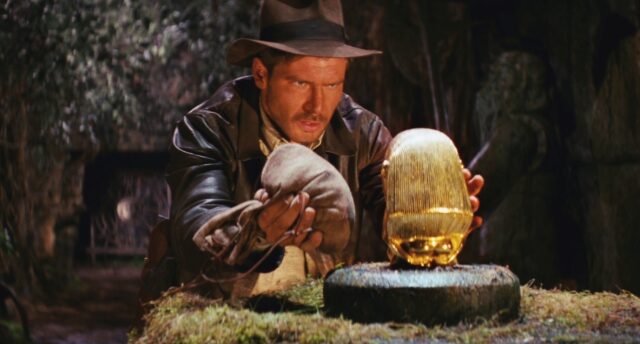
It’s very hard not to like Harrison Ford. He seems like one of us. He’s a ruggedly handsome, well-built guy, but his prominent nose, slightly goofy, off-center grin, and that prominent scar on his chin, somehow make him more human and accessible than your standard issue leading man. And in all his “heroic” roles, be it Han Solo or Richard Kimble, he’s never afraid to show us when he’s totally freaked out. I love that.
Not many people know this, but Ford’s movies have grossed more worldwide than any other actor’s, close to — wait for this — $6 billion. Yet the man seems completely humble and down-to-earth. (I know — I’ve met him.) Why? Because, God bless him, he recognizes the role luck played in his remarkable journey.
Ford was a native of the Chicago suburbs whose adult life started without much direction. Showing little interest in his philosophy studies at Wisconsin’s Ripon College, Ford decided an acting class might help him get over his shyness. Hey Mikey — he liked it! He then quit college, did a season in summer stock, and leapt off to LA with dreams of becoming an actor. Yeah, him and everyone else.