Drama
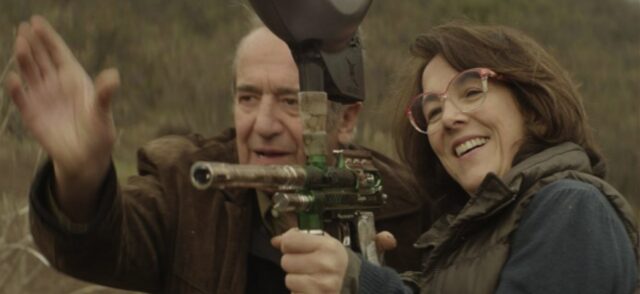
What to See in Theaters: “Gloria,” Aging, & Clubbing
Imagine a film that tackles tender topics like loneliness and late middle-age with perceptiveness, honesty and humor. There are no explosions, no glib one-liners, no shaky-cam tracking shots. Just a touching, keenly observed human story, beautifully written, acted and shot.
Well, praise Senior Discounts and the Little Blue Pill, there is such a movie out in theaters now. As you may have already guessed from the lack of explosions, Sebastian Lelio’s “Gloria” doesn’t come from Hollywood, but from Chile. Regardless of whether you’re American, Chilean or Martian, you should see this excellent movie.

International
Underneath the Brogue 7 Films to Honor Ireland
As the rivers run green with dye and the streets overflow with the regurgitations of young people binge-drinking in honor of a saint, our thoughts turn to the powerful mystique of Ireland, and the stories, filmmakers, and actors that create the Emerald Isle's best films.
Like many foreign countries, Ireland has sometimes received short shrift from Hollywood. Throughout the ‘30s and ‘40s, if you needed an unrepentant drunk, Hollywood all too happily shoved “Patty McStumble-Drunk” out in front of the camera for a cheap laugh.
So rather than trot out the same stereotypical Faith-and-begorrah, Lucky Charm-laden, potato-eating movies that fill so many lists around this time, we’re going to find some more nuanced and soulful films to honor our favorite little island in the north. Like the country itself, there’s so much more to see and experience if you’re willing to stop and look.

Actors
The Madness to Daniel Day Lewis’ Method
Daniel Day-Lewis stands among the greatest living screen actors ever to grace the silver screen. His success is in no small part thanks to the other-worldly level of dedication he brings to his roles. In fact, Day-Lewis approaches method acting with a "method" all his own.
That method can be more than a little off-putting for his co-workers. In “There Will Be Blood,” actor Kel O’Neill was halfway through the 60-day shoot when director Paul Thomas Anderson replaced him with Paul Dano, who played lead antagonist Eli Sunday. Why leave an obvious award-winning film filled with Oscar-winning actors and crew?
It seems Mr. Day-Lewis would not stop intimidating his on-screen nemesis between takes, staring him down and otherwise bullying the actor throughout the shoot. Nerves shot, O’Neill took a well-deserved rest cure. Day-Lewis would not (or could not) "turn off" his method, even between scenes – even when a fellow actor was driven to flee in his presence. It's as disturbing as it is impressive.
Actors
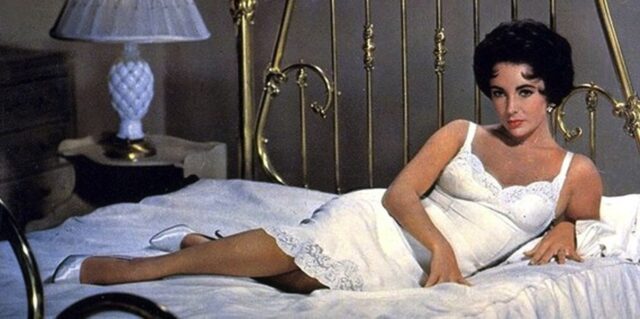
The 7 Greatest Films From Elizabeth Taylor
Those who remember her only from those endless grocery store checkout line-stories on her health problems, fluctuating weight, friendship with Michael Jackson & Bubbles, or impressive eight marriages (she wed Richard Burton twice), pay attention. Today, we celebrate the film career of a legendary beauty, prodigious talent, and a big personality, Elizabeth Taylor.
Drama
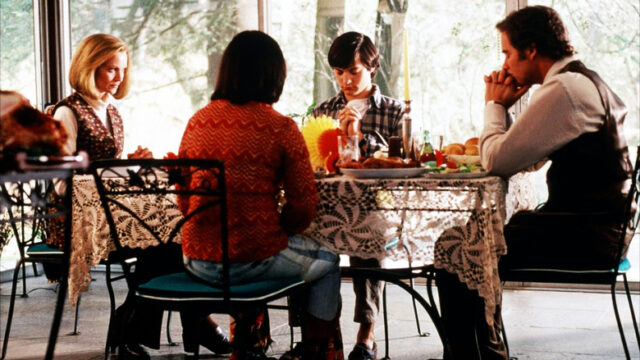
Spotlight On: The Ice Storm
In a welcoming street of a tree-lined neighborhood in a sleepy Connecticut suburb, we’re about to uncover some truly twisted goings-on.
Ang Lee’s “The Ice Storm” (1997) captures the angst, confusion and frustration lying just beneath the surface in many affluent suburban “paradises.” Set in the awkward transition from the turbulent, idealistic ‘60s to the yuppified, cynical ‘70s, “Storm” follows the intersecting paths of two neighborhood households who have enough barely suppressed issues and grudges to keep a team of shrinks busy until disco becomes cool again.
Action
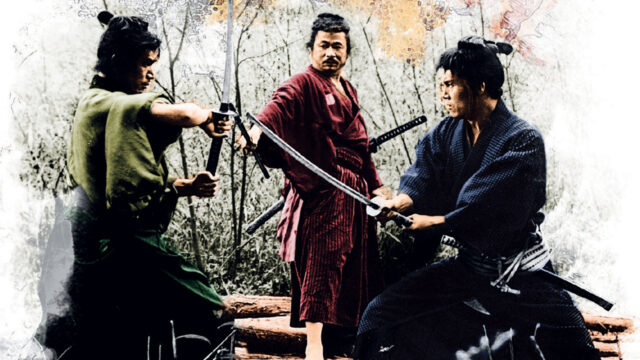
3 Samurai Movies to Stream Right Now
We’ve got a special streaming suggestion for you weekend warriors: it’s Samurai Saturday.
Samurai movies, known in Japan as “chambara” (literally, “sword fighting movies”), were originally associated with dramatic rather than action movies (think 1954’s “Seven Samurai”). The tendency towards more action-oriented films didn’t occur until later, when a slew of violent samurai films (some laughably cheesy and obvious) downgraded the genre to “B-Movie” status in the ‘70s and ‘80s with enough bright-red paint "blood" spraying each battle set to repaint the Golden Gate Bridge.
Nevertheless, numerous “chambara” from the 1960’s had a massive effect on audiences (some of whom went home to practice spearing each other) as well as filmmakers. You can see the influence of pioneering “Samurai” directors like Akira Kurosawa, Hiroshi Inagaki, and Masaki Kobayashi in the work of filmmakers Sergio Leone, George Lucas, David Mamet, and Quentin Tarantino, among others.
Actors
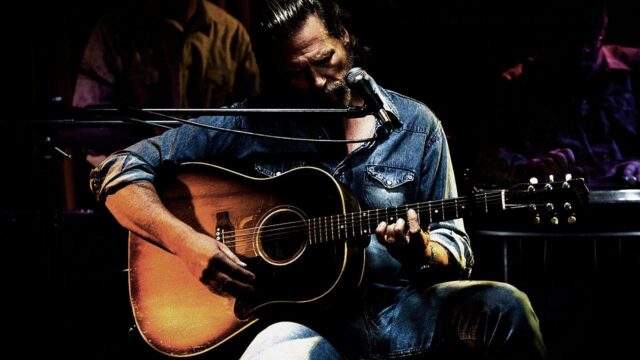
Jeff Bridges, “Crazy Heart” And Shooting the Impossible Scene
Produced by the great Robert Duvall, “Crazy Heart” tells the story of hard-drinking former country star Bad Blake (Jeff Bridges), who refuses to acknowledge that his career as a crooner is kaput. Things are looking bleak for Blake, but a tentative relationship with reporter Jean Craddock (Maggie Gyllenhaal) and a chance to open for country mega-star Tommy Sweet (Colin Farrell) signal that Blake’s fortunes may be turning. Can Blake overcome his addictions and reignite his country career?
As successful and effective as "Crazy Heart" was, it bears some striking parallels to Duvall’s own “Tender Mercies” from 1983. Let’s see: both feature a drunk, washed-up country singer. Both meet women who inspire them to put the toilet seat down. And they both struggle to figure out whether one can actually live inside a bottle of whiskey.
Yep, pretty darn close. Luckily, as they say, "Close is only good in horseshoes and hand grenades... and movies about alcoholic country singers."

Sports
If Your Baseball Team Were a Movie Which Would it Be? (AL EDITION)
Forget robins, forget flowers. The real harbinger of spring is baseball. And finally, blessedly, the MLB has returned today with Opening Day.
We’re celebrating America’s Pastime the only way we know how: with movies. In our new two-part series, we’re asking – if your baseball team were a movie, which would it be?
Directors
“Grand Budapest Hotel” and Wes Anderson’s Evolution
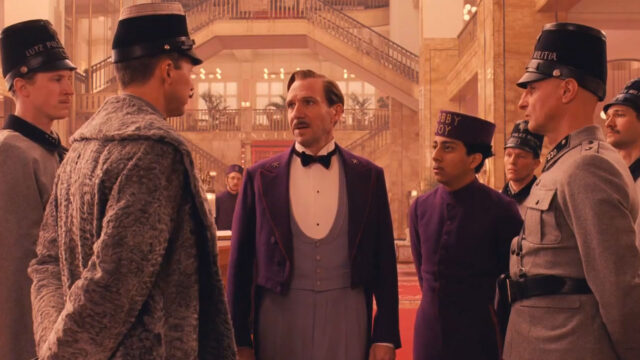
Wes Anderson’s disarming new film, “The Grand Budapest Hotel,” is undoubtedly his most ambitious to-date. While the director’s signature visual style will be familiar to his fans, “Hotel” feels distinctly fresh and different. From its genre (a caper of sorts) to its complexity (his most complicated story yet, with multiple storylines and flashbacks); from the soundtrack (no British Invasion-era Kinks or Stones) to the script (tight, mercilessly funny, yet with tragic elements), “Hotel” is a bold, exciting step forward in Anderson’s career as a filmmaker.
The main story thread follows the exploits of Gustave M. (Ralph Fiennes) and his protege, Zero Mustafa (newcomer Tony Revolori). Gustave is the titular hotel’s legendary concierge, resident expert on romantic poetry, and gentleman lover to the hotel’s migratory flock of elderly, blonde aristocrats.
When one particularly besmitten widow dies (an unrecognizable Tilda Swinton), it’s discovered that she bequeathed Gustave a priceless painting in her latest will. Her jealous family, led by her jackbooted, eldest son Dmitri (the wonderfully profane Adrien Brody), challenge the will’s legitimacy. Undeterred, Gustave and Zero abscond with the painting. Pretty soon, everyone who knew of this second will begins to disappear. Can Gustave and Zero survive Dmitri’s deadly machinations?