Actors
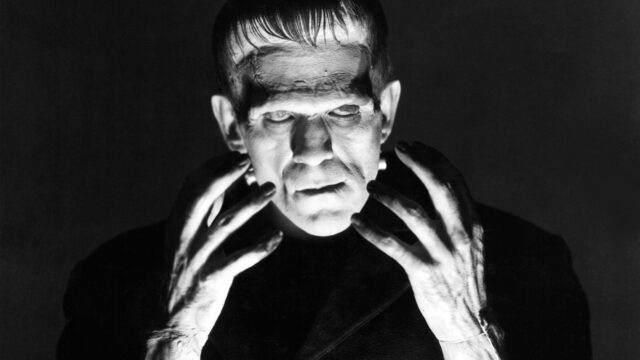
Why Boris Karloff Was Far From a Monster
With Halloween approaching, we’re saluting one of the great horror movie icons, Boris Karloff, originator of the Frankenstein monster. Reminding us again of how far removed the illusion of movies can be from reality, Karloff the man was the total opposite of the characters he immortalized on screen.
Directors
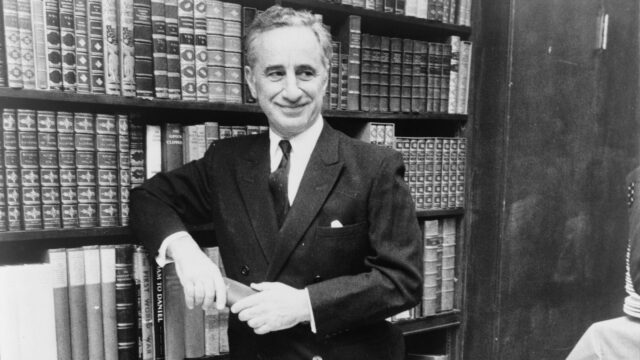
How Elia Kazan Became One of the Most Influential Directors in Hollywood
Any serious, discriminating film fan should know the work of Elia Kazan, a brilliant director of stage and screen who helped transform acting — and the movies themselves — in the mid-twentieth century.
Themes
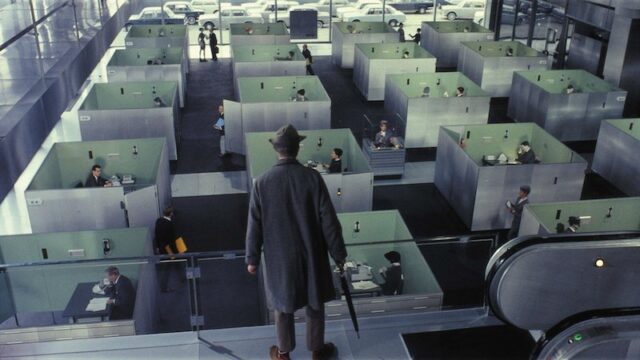
Great Structures: 9 Movies Where Buildings Star
Movies are palaces of the imagination, showing us places we can’t go, either because they are closed to us, or too far away, or they never existed in the first place. Place is a star in its own right, and the places where movies are set are often the key to the psychology of the piece.
Sometimes the setting, and set, is found already built, seemingly just waiting for a camera to come and create an iconic image. And then there’s the house (or an entire city) that must be built from scratch in order to realize the director’s vision. These are sets that go way beyond the functional — they actually advance the mood, flavor, and drama of the piece.
We invite you to open the door to these houses with stories to tell.
Hidden Gems
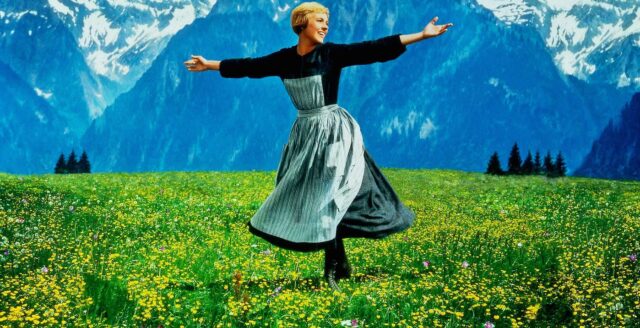
The Most Successful, Versatile Director You’ve Never Heard Of
Name almost any type of film and it’s likely Robert Wise made at least one of them.
Whether it's a horror movie, a science-fiction outing, a war picture, an ensemble drama, a suspense film or a musical, Wise handled it, usually in exceptional fashion. (The only area he really didn’t tackle was pure comedy.)
Yet predictably, his versatility didn’t play well with some film commentators of his time who prescribed to the “auteur” theory, which lent more significance to directors who consistently followed a signature style in their work.

Directors
Five Best Films From Fellini
“Either a film has something to say to you or it hasn’t. If you are moved by it, you don’t need it explained to you. If not, no explanation can make you moved by it.”
— Federico Fellini (1920-1993)
Actors
Cinema’s Gentle Giant: The Legacy of Richard Attenborough
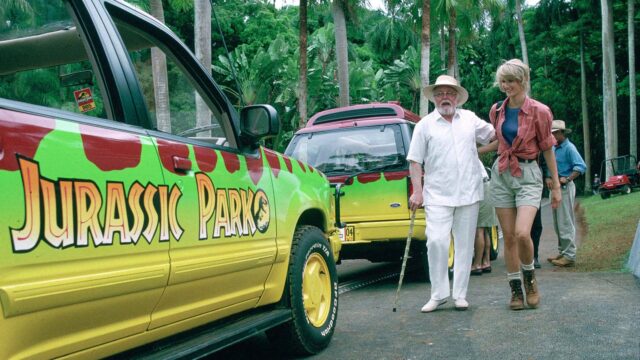
Lord Richard Attenborough, the architect of a monumental screen career that began in 1942, passed away Sunday at the age of 90. Had he only been known as an actor, we'd be marveling at the way he played everything from serial killers to Kris Kringle. But he also enjoyed a successful career as a director, culminating in 1982 when he picked up Best Director and Best Picture Oscars for "Gandhi."
His passion for history led to his directing biopics of such diverse characters as Charlie Chaplin, Winston Churchill, and Apartheid activist Steve Biko. But Attenborough was hardly a drab old historian; he also lent his distinctive flair to comedies, thrillers, and war dramas. He even helmed the romantic tearjerker "Shadowlands" (1993), which happened to hit screens the same year as "Jurassic Park," the blockbuster film that introduced Attenborough to a new generation of moviegoers.
Attenborough's role as the kindly theme park owner in Steven Spielberg's blockbuster was a rarity for him. He wasn’t acting anymore at that stage, preferring to work behind the camera, but the mutual admiration between Spielberg and Attenborough brought them together for this colorful story of dinosaur cloning. Spielberg's hunch that Attenborough would be "the perfect ring master" was spot-on. How could anyone not love this bearded little man with the bright eyes, who smiled so warmly at the sight of a dinosaur egg hatching?
Actors
What Made James Garner Irreplaceable
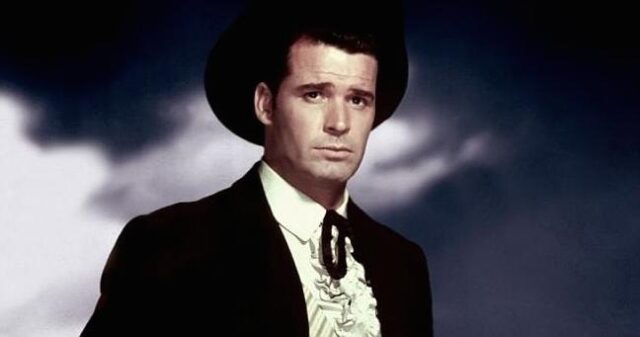
How many actors have looked at James Garner's square jaw and wavy black hair and wished they could cut such a manly figure? Yet Garner was most comfortable in roles where he was considerably less than heroic. He was a regular, folksy kind of guy trapped in a movie star's body. But if you had ever called him a movie star, he'd have probably shrugged it off.
Garner, who passed away Saturday night at age 86, often said that didn't care much about Hollywood, and that he'd stumbled into acting by accident. A friend had once told Garner he planned to work in Los Angeles as an agent. After serving in the Korean War (where he earned two Purple Hearts), Garner worked dozens of odd jobs that took him on a circuitous route to LA. One day Garner noticed a sign on a window with his old friend's name on it. Indeed, Garner's buddy had done just what he said: gone to LA and become an agent.
On a whim, Garner visited his friend and was offered a non-speaking role in a Broadway production of “The Caine Mutiny Court-Martial." Garner was 25, and not interested in acting, but knew he couldn't pass up the job. He especially wanted a chance to meet the show's star, Henry Fonda. Garner would later say, "I swiped practically all my acting style from him." Garner began his film career in 1956, as a contract player for Warner Bros., at a rate of $200 per week. It was, he thought, a way to make a buck.
History
How JFK’S Assassination Changed the Fate of “Dr. Strangelove”
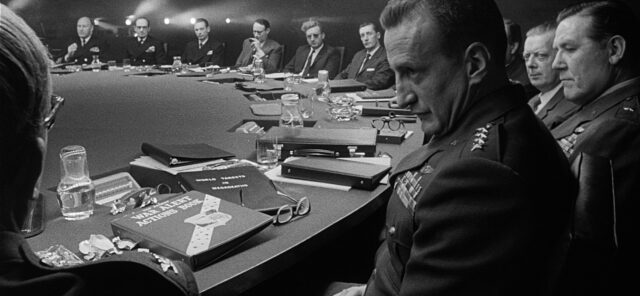
Having filmed his Cold War satire, “Dr. Strangelove or: How I Learned to Stop Worrying and Love the Bomb” during the spring and summer of 1963, director Stanley Kubrick was finally ready to unveil his new film at an advance press screening. The date was set for late November — the 22nd to be exact.
But only hours before journalists were expected to arrive at the Loew’s Orpheum Theatre in Manhattan, news came from Dallas that President Kennedy had been shot. Obviously, the show couldn’t go on and a shocked Kubrick immediately canceled.
This invitation that recently surfaced on Reddit is a chilling reminder of that day. The writing scrawled across the ticket, "NEVER HELD...THE DAY KENNEDY WAS SHOT," is allegedly in Kubrick’s own hand.
Horror
8 Great Horror Flicks For the Smart Crowd
Even though much of the appeal of horror movies lies in their power to tap into primal fears, I’d like to think our cerebral cortexes have evolved to the point where we want our thrills to test our minds as well as our nerves. After all, horror movies often leave the greatest, and most lasting, chill when they hinge on psychological, rather than fantastical, terrors.
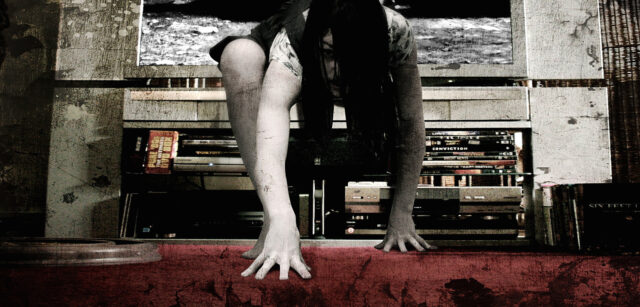
The higher the intelligence of the piece, the harder it is to dispel that chill, and the more elegant the premise, the more likely it is to stay lodged in our psyches. Smarter scary movies just seem more believable, even when they are set in space, or when ghosts crawl out of the television.
Not surprisingly, a large percentage of such titles are adapted from works of fiction. The “interior” aspect of fiction reminds us that the worst nightmares are often conjured not by reality but by our own imaginations.