
Actors
The Best of John Ford’s Family of Players
Over the years, some film directors have had their own so-called stock companies. We’re not talking Wall Street stocks, folks, but rather groups of actors they felt so comfortable working with that they cast them in their projects time and again.
The great John Ford’s stable of thespians was perhaps the biggest and most prolific in Hollywood history. In fact, some of its members appeared in the iconic director’s films over twenty times; bit player Jack Pennick worked with the filmmaker a whopping 41 times, although several of his roles were uncredited.
Of course, starting in the forties, John Wayne was Ford’s favorite star. “The Duke,” who also had an abiding off-screen friendship with “Pappy” Ford, could be seen in 24 Ford enterprises, all starring roles in some of Ford’s most iconic work (you can see some of these movie titles at the end of this article).
Actors
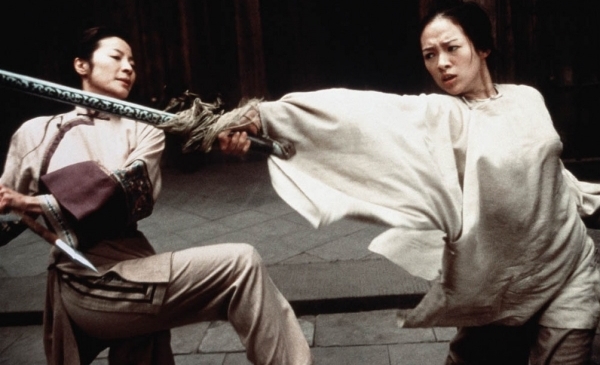
A Dozen Movie Women Who Could Kick Our Asses
It boggles the mind that only a couple of generations back, women were sometimes referred to as “the weaker sex.” That’s not only sexist, but misleading.
Plenty of tough, cunning, even deadly female characters have graced the screen over the past six decades that prove this idiotic saying wrong.
Here are an even dozen.
Music
11 Soundtracks as Great as Their Movies
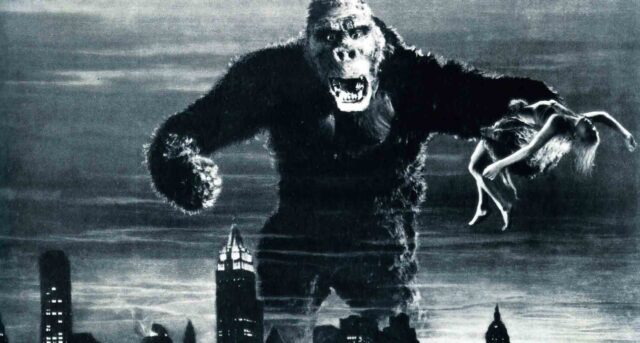
It’s nearly impossible to discuss a truly great movie without mentioning its musical score. Can you honestly ponder the Spielberg classic “Jaws” (1975) without hearing those relentless, alternating two notes (played on a tuba!) that announce the killer shark’s arrival? Or think of “Rocky” (1976) without remembering how Bill Conti’s soaring trumpet theme made your heart race?

Actors
How William Powell Became Hollywood’s Classiest Leading Man
In his hey-day, William Powell was the epitome of sophistication, wit and urbanity, with his distinctive baritone voice, custom tailored suits and pencil thin mustache. During the 1930s and 1940s, Powell was a bona fide box-office draw, starring opposite Myrna Loy as a tippling detective in “The Thin Man” series, as the sly hobo-turned-high society butler in the classic screwball farce “My Man Godfrey,” or in “The Great Ziegfeld,” playing legendary theater impresario Flo Ziegfeld.
Actors
How Peter Sellers Helped Mel Brooks When He Needed It Most
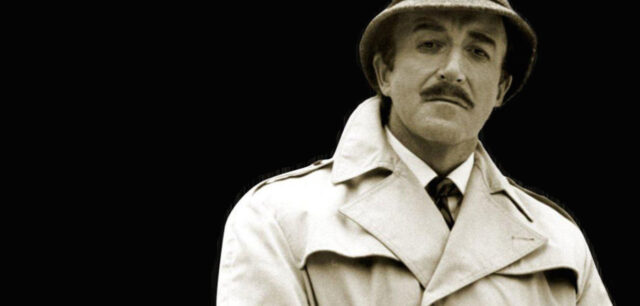
Peter Sellers was more than just funny; he was an astonishingly versatile actor. Even if you removed the bumbling, beloved Inspector Clouseau from his resume, he still had a remarkable list of roles to his credit, from the devious Clare Quilty in "Lolita" (1962), to his Oscar nominated turn as Chance in "Being There" (1979), to a variety of bullfighters, concert pianists, and nutty psychiatrists in-between.
But Sellers, who would've turned 89 today, actually passed on the role of Leo Bloom in Mel Brooks's "The Producers" (1967). Brooks has gone on record saying that the role was his for the taking, and it’s never been explained why he didn't take the part. Little-known fact: Sellers would play an important and unexpected role in that movie's success.
Brooks had approached Sellers to play the neurotic Bloom as early as 1964, when Sellers, The Beatles, and all things British seemed to dominate the entertainment landscape. How popular was Sellers that year? Well, he was the first man to appear on the cover of Playboy — how's that? According to Brooks, Sellers agreed to play the role but was never heard from again. That was Sellers — whimsical, difficult, and often erratic.
Actors
6 Better Movies that Feature the “Forrest Gump” Cast
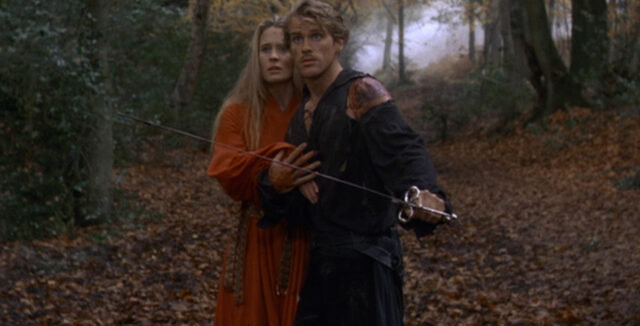
Please don’t let a super-sized screen, nor that Best Picture Oscar (over “Pulp Fiction,” for crying out loud!), nor that $600 million-plus box office take convince you that “Gump" is anything but a treacly mediocrity. While it has moments of sweetness and charm, it is absurdly overrated.
Actors
Movie Madness — 11 Actors Who Went Crazy for Film
Going crazy in real life is about as glamorous as sleeping in a bowling alley, but going crazy on-screen? Plan your Oscar outfit early. There is scenery to be chewed, fits to be pitched on an epic scale, fantasies to spin, and a kind of canny brilliance to the crazy character’s lunacy.
Maybe we are drawn to movie crazies as a kind of proxy nervous breakdown, the one we’d like to have, if only we could spare the time. In the more extreme cases, such as director Alfred Hitchcock’s criminally insane killers in “Psycho” (1960) and “Frenzy” (1972), we are watching a bomb blast from a safe distance, marveling at the potential for distortion within the human mind.
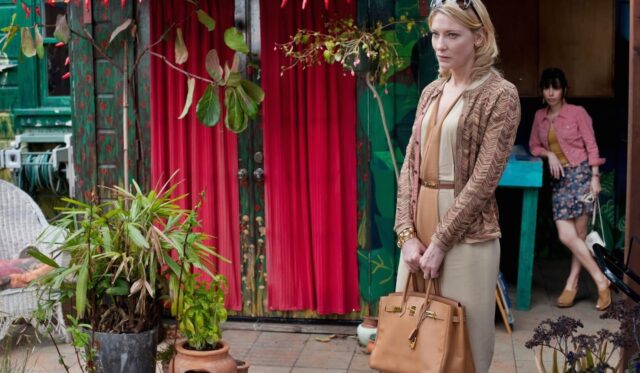
And then there are characters that are driven crazy, like Ophelia (Jean Simmons) in “Hamlet” (1948), or Jasmine (Cate Blanchett), the shattered widow of an unscrupulous New York financier, in “Blue Jasmine” (2013).

Actors
The Field Guide to Cinema’s 9 Prime Prima Donnas
Who are you calling “Diva?”
In real life, wrangling with a diva is a blood-boiling lesson in the perils of the high-maintenance personality. On film, though, there is an undeniable deliciousness to watching the diva — at a safe distance.
Divas are so cutting, so presumptuous, so brash, brassy, demanding, withering, larger than life, full of themselves, and they chew through scenery with cast iron teeth. And, in what might just be a law of nature, it often takes a diva to play a diva.

Hidden Gems
Nobody Knows Anything: 5 Great Titles That Were Initially Rejected
One of my favorite “insider” books about the film business is 1983’s “Adventures In The Screen Trade,” an often lacerating, highly insightful expose about the inner workings of Hollywood. Its author is veteran screenwriter William Goldman, who scripted numerous high profile movies in the ‘60s, ‘70s and ‘80s.