Biographical
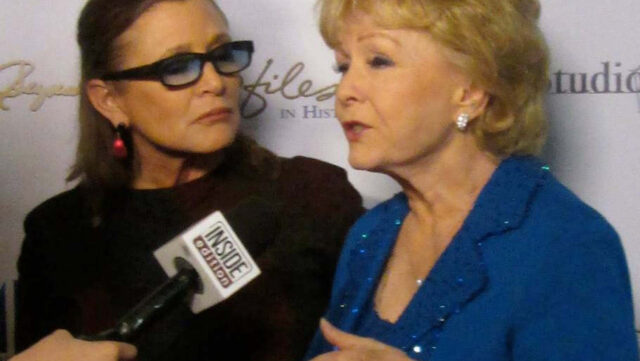
The Turbulent Saga of Carrie Fisher and Debbie Reynolds
It’s striking just how alike they were: both petite women with big personalities and talent who achieved overnight success in iconic movies at age 19; both immensely driven professionals who, in the face of personal challenges and misfortune, channeled their prodigious energies into their work.

Directors
Two Sides of the Camera: 8 Directors who Directed Themselves
Why, one has to ask, is it not pure megalomania whenever directors direct themselves? Simply put, this is a breed of actor (and director) who understands the vision so completely that the need to control every element, even their own performances, overrides all doubt.
Of course, this could look quite a lot like megalomania, or it could simply be pure genius. Or perhaps a bit of both.
For many auteurs, it feels perfectly natural. Orson Welles started out with the Big Bang of "Citizen Kane," his first feature film — with credits for directing, producing, co-writing, and starring — crafting what many critics agree is the best movie of all time.

Western
How Spaghetti Westerns First Got Cooked Up
Younger film fans may find it hard to believe, but Clint Eastwood wasn’t always a badass. Prior to his iconic performance in “A Fistful of Dollars” (1964), Eastwood was best known to American audiences as Rowdy Yates, a kind-hearted supporting character on the popular “Rawhide” TV show. In fact, it was the opportunity to leave Rowdy’s friendly persona behind that most intrigued Eastwood about going to Spain to work for director Sergio Leone. “I decided,” Eastwood said, “it was time to be an anti-hero.”
Actors
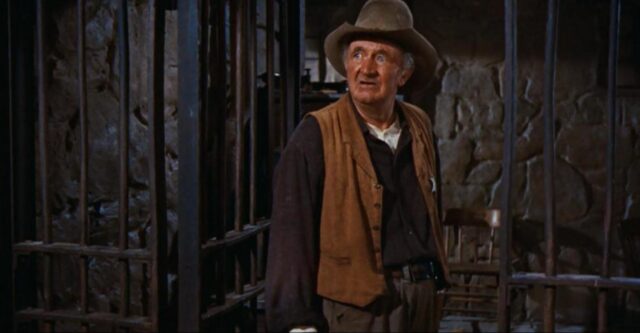
Hollywood’s Top Second Banana: Walter Brennan
Do you remember Walter Brennan? Sure you do. No? Well, you should. After all, he spent four decades as sidekick to some of the top stars in the business. If his face isn’t familiar, I’ll bet you’d recognize his voice. Like Cagney, Bogart, and Mr. Magoo, Brennan owned a voice that was unmistakable. It became fodder for comedians and impressionists, and I’m pretty sure one of your uncles took a crack at it, too.
Brennan was the go-to guy when a director needed a town drunk, a good-hearted hobo, a local priest, or a deputy (he was indeed a natural for Westerns). But to say he was merely adept at playing local yokels undermines his achievements in the business. Brennan won the first ever Best Supporting Actor Oscar in 1937, and by 1941 had won it twice more.
His feat of winning three Academy Awards wasn’t matched by another actor until Jack Nicholson and Daniel Day-Lewis did it decades later (and Nicholson and Day-Lewis needed a lot more than four years to equal Brennan’s record). To date, Brennan is still the only actor to win three statuettes for Best Supporting Actor.
Actors
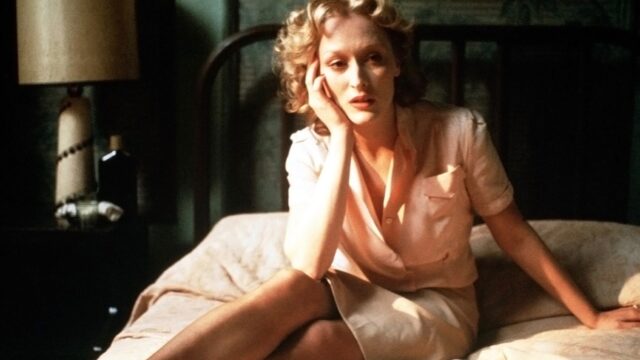
A Tribute to the Record Breaking Meryl Streep
I can vividly recall the first moment I saw Meryl Streep on-screen. The film was “The Deer Hunter” (1978). Her part was relatively small — she played the stateside love interest of two men shipped off to Vietnam — but I was immediately struck by her presence.
Actors
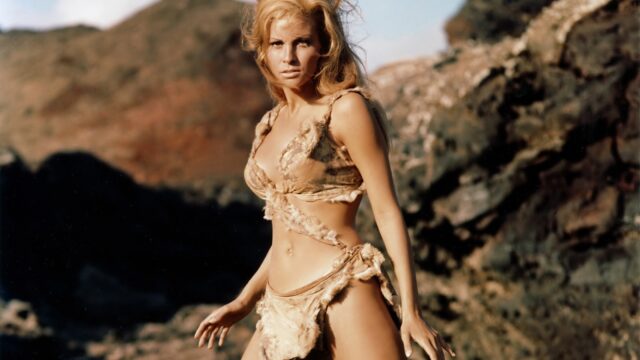
The Top 20 Female Cinema Sex Symbols Of All Time
Over the course of movie history, there have been the great actresses, women who light up the screen with charisma and character, like Bette Davis, Katharine Hepburn, and Meryl Streep.
There have also been women whose special gifts had more to do with the sexual allure they projected. Hey fellas, you must have noticed them, right?
Brace yourselves then- here are our picks for the top twenty female cinematic sex symbols of all time. (Drum roll).
Actors
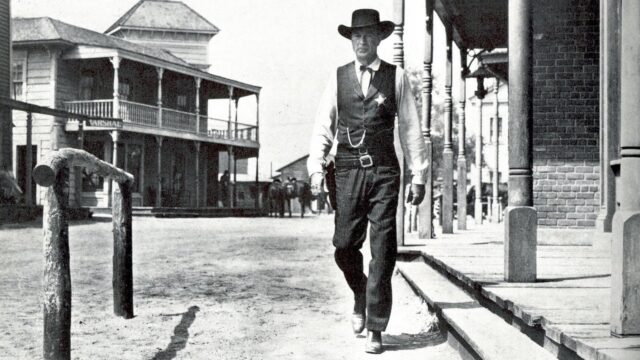
Gary Cooper: The Man Who Was America’s Hero
Once upon a time, in a little period of history called World War II, America was sorely in need of heroes, specifically heroes who personified the ideals by which America defined itself: courage, humility, toughness, and the chance to start small and end up big.
Gary Cooper was that hero. Perhaps his friend John Wayne fit that mold too, but in a larger, more mythical way. Coop was quieter, more deliberate and unassuming, but no less powerful. If they’d made a movie in the thirties about Charles Lindbergh, surely Gary Cooper would have played him.
Cooper grew up on a ranch in Montana and knew early on the meaning of hard work. He also knew a thing or two about horses, which came in handy when he first went to Hollywood and found work as a stuntman in Westerns.